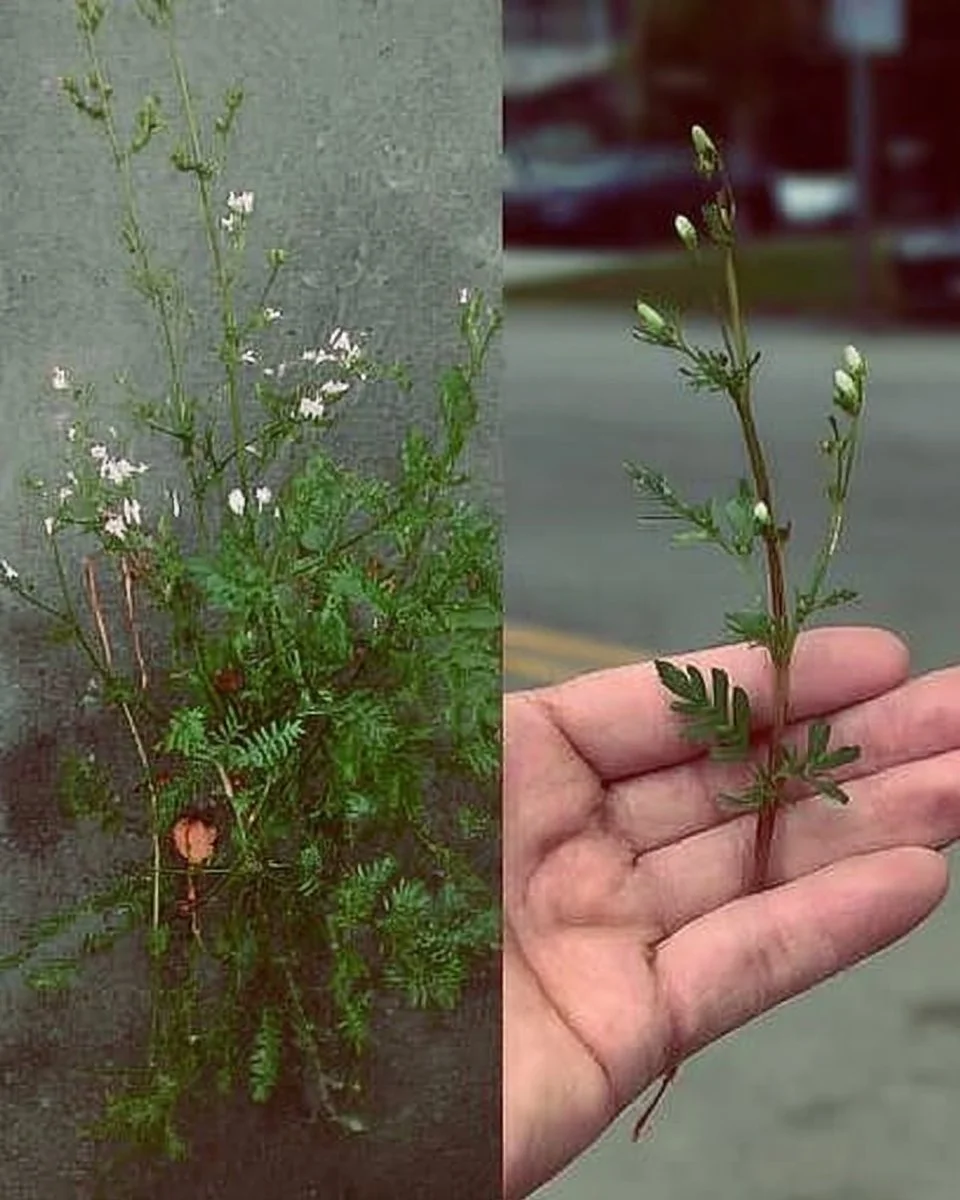
Hairy Bittercress: A Hidden Gem in Your Garden
When it comes to gardening, we often focus on cultivating beautiful flowers or bountiful vegetables. However, there’s a little-known plant that deserves a spot in your garden—Hairy Bittercress (Cardamine hirsuta). Dubbed a "hidden gem," this charming little weed is not only resilient and easy to grow but also offers a variety of benefits that might surprise you. Let’s dive into the world of Hairy Bittercress and discover why it deserves a place in your outdoor space.
Understanding Hairy Bittercress
Hairy Bittercress is a member of the mustard family and is native to Europe and Asia. It thrives in a wide range of environmental conditions, which explains its prevalence in gardens and lawns across North America. With its petite white flowers and jagged green leaves, Hairy Bittercress is often overlooked as just another weed. However, this plant has unique characteristics that set it apart.
Key Features
-
Appearance: The plant has a rosette of leaves close to the ground, with lobed edges that can sometimes be hairy, giving it its name. During late winter to early spring, small, delicate white flowers emerge on slender stalks, transforming the garden into a visual treat.
-
Growth Habit: Hairy Bittercress is a winter annual, meaning it typically germinates in the fall, survives the winter, and flowers in early spring. If left to its own devices, it can quickly go to seed, so gardeners might consider it a nuisance. However, with a bit of attention, it can be managed effectively.
Nutritional Benefits
Beyond its charming appearance, Hairy Bittercress is edible and packed with nutrients. The leaves and young shoots are tender and flavorful, making them a delightful addition to salads and sandwiches. Rich in vitamins A and C, this plant not only enhances your dishes but also provides a nutritional boost.
Culinary Uses
Here are some ways you can incorporate Hairy Bittercress into your meals:
- Salads: Toss young leaves into your salads for a peppery flavor that will elevate your dish.
- Pesto: Blend Hairy Bittercress with nuts, garlic, and olive oil for a unique twist on traditional pesto.
- Soups and Stews: Add a handful to your soups or stews for a nutritious kick.
Ecological Benefits
Hairy Bittercress is not just a boon for your kitchen; it plays an important role in the ecosystem as well.
-
Pollinator Friendly: The small white flowers attract a variety of pollinators, including bees and butterflies, which contribute to the health of your garden by aiding in the pollination of other plants.
-
Soil Health: As a member of the Brassicaceae family, Hairy Bittercress contributes to soil health by helping to suppress weeds and improve soil structure.
Cultivation Tips
If you’re curious about growing Hairy Bittercress in your garden, here are some simple steps to keep in mind:
-
Location: Choose a spot that receives partial shade to full sun. Hairy Bittercress is adaptable and can thrive in various conditions.
-
Soil: It prefers well-drained, rich soil. Adding some organic compost can enhance growth.
-
Watering: Keep the soil moist, especially during dry spells. However, avoid waterlogging as it prefers well-drained conditions.
-
Harvesting: You can begin harvesting the leaves once the plant reaches several inches tall. Be sure to leave a few plants intact for future growth!
Conclusion
Hairy Bittercress may be labeled as a weed in many gardening circles, but this little plant is truly a hidden gem. Its delightful flavor, nutritional benefits, and ecological contributions make it a worthy addition to any garden. So, the next time you see Hairy Bittercress popping up in your yard, consider embracing it as a valuable asset rather than pulling it out as a nuisance. With a little care, this resilient plant can enrich both your culinary ventures and the overall health of your garden.
Print
Hairy Bittercress Salad
- Prep Time: 15 minutes
- Cook Time: 0 minutes
- Total Time: 15 minutes
- Yield: 4 servings 1x
- Category: Salad
- Method: Raw
- Cuisine: American
- Diet: Vegetarian
Description
A fresh and nutritious salad featuring Hairy Bittercress for a peppery flavor.
Ingredients
- 2 cups young Hairy Bittercress leaves
- 1 cup cherry tomatoes, halved
- 1 cucumber, sliced
- 1/4 cup red onion, thinly sliced
- 1/4 cup olive oil
- 2 tablespoons lemon juice
- Salt and pepper to taste
Instructions
- Wash the Hairy Bittercress leaves thoroughly.
- Combine the leaves, cherry tomatoes, cucumber, and red onion in a large bowl.
- In a small bowl, whisk together olive oil, lemon juice, salt, and pepper.
- Drizzle the dressing over the salad and toss gently to combine.
- Serve immediately for the freshest taste.
Notes
Hairy Bittercress can also be used in pesto or added to soups and stews.
Nutrition
- Serving Size: 1 serving
- Calories: 150
- Sugar: 3g
- Sodium: 200mg
- Fat: 14g
- Saturated Fat: 2g
- Unsaturated Fat: 10g
- Trans Fat: 0g
- Carbohydrates: 8g
- Fiber: 2g
- Protein: 2g
- Cholesterol: 0mg