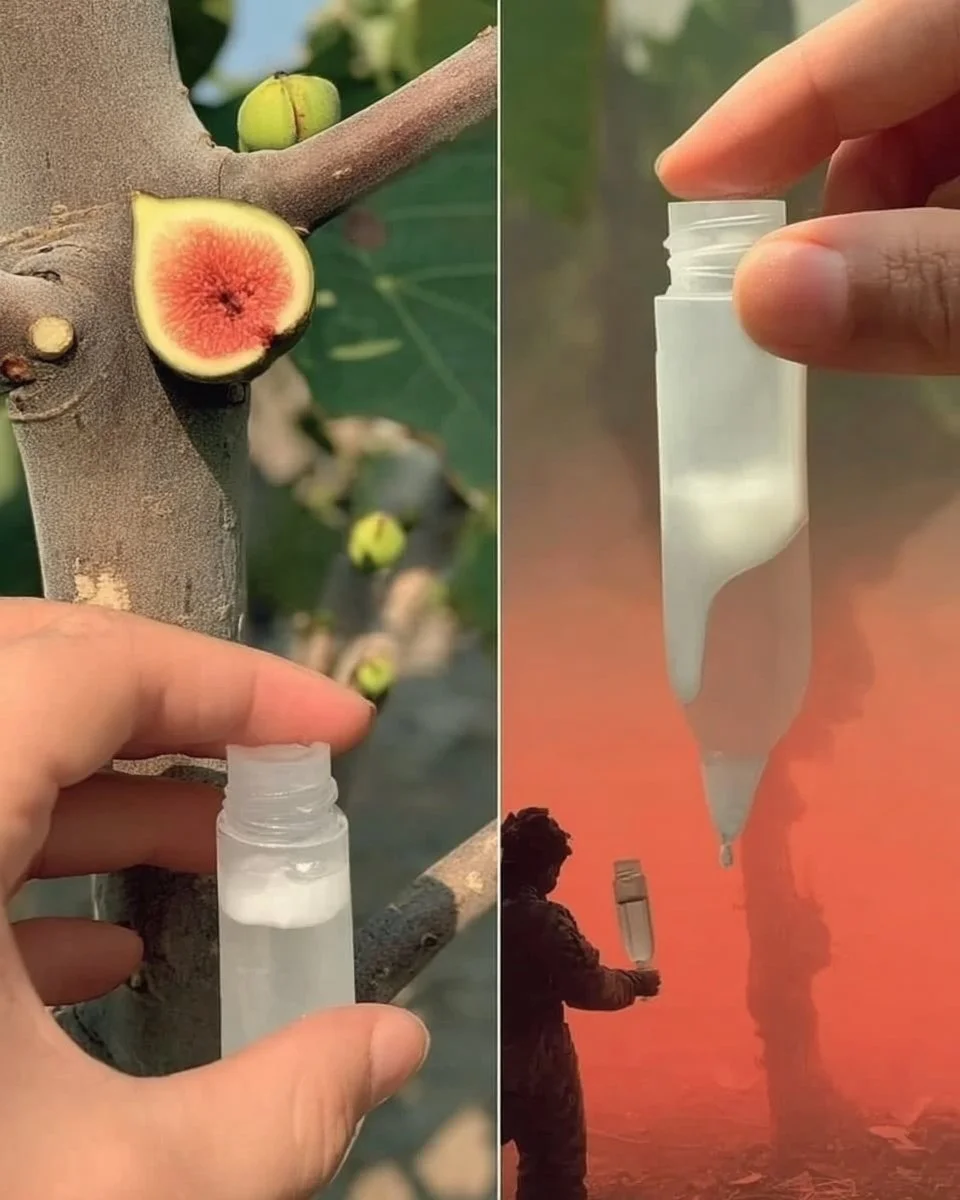
Harnessing the Power of Fig Sap: A DIY Guide
Fig trees, with their lush green leaves and sweet fruits, are a staple in many gardens and landscapes. However, beyond their delightful produce, fig sap, often overlooked, holds a wealth of benefits and uses. In this DIY guide, we will explore the extraordinary potential of fig sap, how to harvest it, and various ways to utilize this natural resource effectively.
What is Fig Sap?
Fig sap, also known as latex, is a milky-white substance that oozes from the tree when it’s cut or damaged. This sap contains a variety of compounds, including enzymes and tannins, that have both medicinal and practical applications. While figs are well-known for their edible fruits, the sap offers a unique opportunity for home enthusiasts looking to delve into natural remedies and crafts.
Harvesting Fig Sap
To make the most of fig sap, you first need to know how to harvest it correctly. Here’s a simple step-by-step guide:
Step 1: Choose the Right Tree
Look for a healthy fig tree, preferably one that is in its growing season (spring to early summer). Young branches tend to produce more sap than older ones.
Step 2: Prepare Your Tools
You will need:
- Sharp pruning shears or a knife
- A small container or bowl to collect the sap
- Gloves (as sap can irritate sensitive skin)
Step 3: Make the Cut
- Select a Branch: Choose a branch that is at least one year old and appears healthy.
- Make an Incision: Using your pruning shears, make a shallow cut on the branch. The cut should be about 2-3 inches long and just deep enough to pierce the bark.
- Collect the Sap: Position your container beneath the cut and wait for the sap to drip down. It may take a few minutes to begin flowing.
Step 4: Store the Sap
Once you’ve collected enough sap, transfer it to a glass jar and seal it tightly. Store it in a cool, dark place to preserve its properties.
Uses for Fig Sap
1. Natural Remedies
Fig sap possesses antiseptic and anti-inflammatory properties, making it an excellent natural remedy for minor wounds and skin irritations. Here’s how to use it:
- Wound Treatment: Apply a small amount of fresh sap directly to the wound to promote healing and prevent infection.
- Skin Soothing: Mix fig sap with a carrier oil, such as coconut or olive oil, to create a soothing balm for minor burns or insect bites.
2. Fertilizer
The nutrients present in fig sap can be beneficial for garden plants. Dilute the sap with water (1 part sap to 3 parts water) and use it as a foliar spray to boost plant health. This mixture provides essential minerals that enhance growth and resilience.
3. Craft Projects
Fig sap can also be incorporated into various craft projects. Its sticky nature makes it an excellent adhesive:
- Natural Glue: Use the sap as a natural glue for woodworking projects or crafting. Simply apply it to the surface and press the pieces together until it dries.
- Artistic Applications: Experiment with fig sap in your art projects. Mix it with natural pigments to create textured paint or use it in mixed media art for unique effects.
4. Soap Making
If you’re into DIY skincare, consider incorporating fig sap into homemade soap. Its beneficial properties can add a unique twist to your soap recipes:
- Saponification Process: Carefully integrate the sap during the saponification process, ensuring its benefits remain intact.
Conclusion
Harnessing the power of fig sap offers an exciting avenue for creativity and health. Whether you’re using it for natural remedies, fertilizers, crafting, or soap making, this versatile substance can add value to your home and garden. With a bit of knowledge and careful harvesting, fig sap can transform your everyday life. So, don your gloves, grab your pruning shears, and embark on this tantalizing DIY journey today!
By following these guidelines, you’ll be well on your way to tapping into the extraordinary power of fig sap with minimal effort and maximum reward. Happy harvesting!
Print
Harnessing the Power of Fig Sap: A DIY Guide
- Prep Time: 15 minutes
- Cook Time: 0 minutes
- Total Time: 15 minutes
- Yield: 1 batch of sap
- Category: DIY
- Method: Harvesting
- Cuisine: Natural Remedies
- Diet: None specified
Description
Explore the extraordinary potential of fig sap, including how to harvest it and various uses in natural remedies, crafting, and gardening.
Ingredients
- Sharp pruning shears or knife
- A small container or bowl
- Gloves
Instructions
- Choose the Right Tree: Look for a healthy fig tree in the growing season.
- Prepare Your Tools: Gather pruning shears, a container, and gloves.
- Select a Branch: Choose a branch that is at least one year old.
- Make an Incision: Cut a shallow 2-3 inch cut on the branch.
- Collect the Sap: Position your container beneath the cut and wait for the sap to flow.
- Store the Sap: Transfer the collected sap to a glass jar and seal it tightly.
Notes
Be cautious when handling the sap, as it can irritate sensitive skin. Store the sap properly to maintain its properties.
Nutrition
- Serving Size: N/A
- Calories: 0
- Sugar: 0g
- Sodium: 0mg
- Fat: 0g
- Saturated Fat: 0g
- Unsaturated Fat: 0g
- Trans Fat: 0g
- Carbohydrates: 0g
- Fiber: 0g
- Protein: 0g
- Cholesterol: 0mg