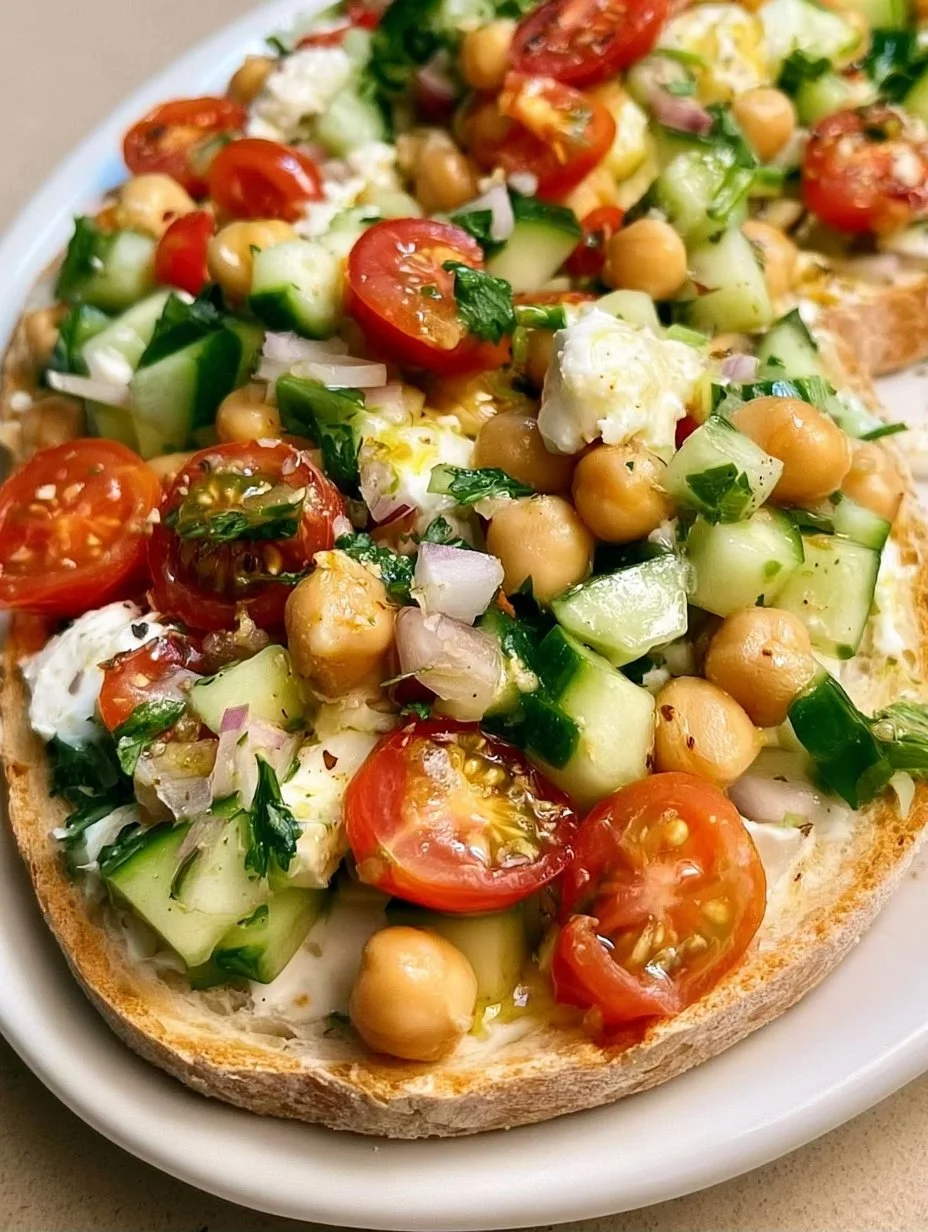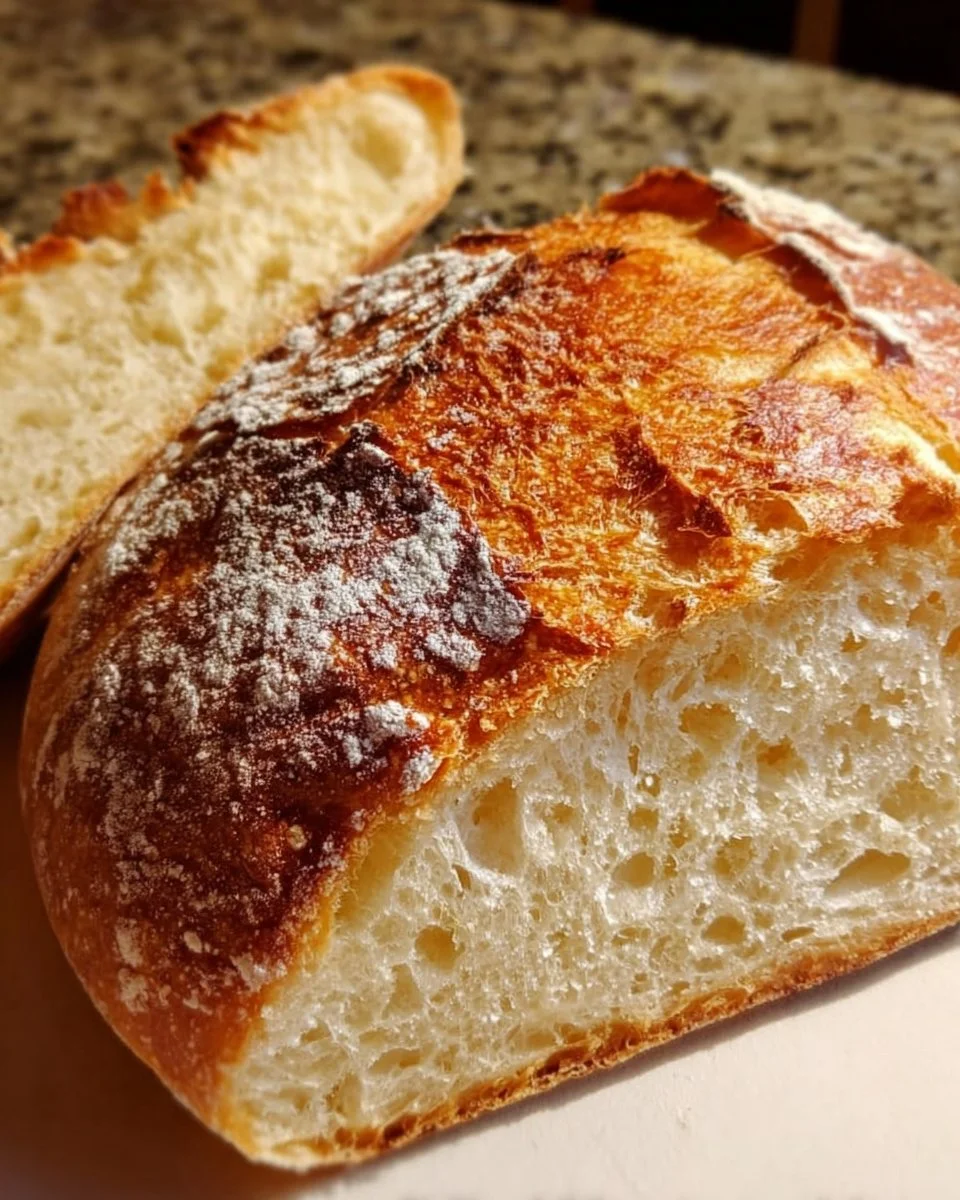
There’s a thrill that permeates the warm, humid air of a bustling kitchen where sourdough loaves come to life. Their crust, a perfect golden brown, crackles as it emerges from the oven, releasing an intoxicating aroma that dances through the house, beckoning curious bystanders to come closer. You can almost taste the anticipation as that crust gives way to a soft and airy interior, and that first slice reveals the alluring, creamy crumb, with tiny holes that tell tales of wild yeast and careful craftsmanship. The joy of sourdough baking lies not only in the baking process but in perfecting each loaf’s oven spring—the magic that creates a tall, proud loaf that’s crisp on the outside and tender within.
As you immerse yourself in this ancient art, each loaf becomes a story of patience, precision, and passion. You feel the weight of the dough in your hands; it’s alive and breathing with history. With each fold and stretch, the practice transforms simple flour and water into something magnificent. And when that dough finally meets the intense heat of the oven, you know you’re about to witness an alchemical transformation. Achieving perfect oven spring feels like catching lightning in a bottle; it’s an achievement worth celebrating, and it elevates your homemade sourdough to something truly unforgettable.
Why You’ll Love This Sourdough Recipe
Baking sourdough is a glorious adventure filled with delightful surprises, and this recipe unlocks the secrets to achieving perfect oven spring, delivering a loaf so exquisite that it may just steal the show at your next gathering. The moment you slice through that crust, the delicious smell wafts through the air, captivating everyone around. Picture the delight on your family’s faces as you serve warm, homemade bread, still slightly steaming, its sumptuous flavor leaving them wanting more.
Opting for homemade sourdough not only allows you to refine your baking skills but also invites creativity into your kitchen. The chance to enhance your loaves with herbs, seeds, or other flavors reflects your personality. The crust becomes that crunchy start to a heartfelt sandwich, or it’s bread—and get ready for this—made simply for the joy of enjoying with a swipe of butter or a dip into olive oil. This recipe stands out not just for its outstanding flavor but for its ability to foster connection and joy at any table.
Preparation Phase & Tools to Use
Before diving into the creative process of temperature and timing, gather your essential tools, each playing an instrumental role in your sourdough success:
- Dutch Oven or Baking Stone: These incredible vessels create the perfect environment for your dough while it bakes, trapping steam so that your loaf rises beautifully and develops a crispy crust.
- Kitchen Scale: Precision matters greatly in baking. A scale ensures you use the exact amounts needed, which leads to consistency in your bread.
- Bread Lame or Sharp Knife: For scoring your dough, a sharp blade allows for artful cuts, enhancing the visual appeal and ensuring it rises properly in the oven.
- Dough Scraper: This handy tool helps with handling sticky dough, making it easier to transfer and shape without losing any precious work.
Preparation is key to achieving your best sourdough. Ensure your sourdough starter is bubbly and active. Take the time to let your dough rise at room temperature for adequate fermentation—it’s this slow kiss of warmth that brings out full flavor and enhances that sought-after oven spring.
Ingredients for Sourdough Bread
In the world of sourdough, simplicity reigns with the greatness of high-quality ingredients. Here’s what you’ll need for your loaf:
- Bread Flour: The backbone of your bread, with a high gluten content that gives your loaf strength and structure. If you need a lighter flavor, a mix of all-purpose flour can work.
- Water: Choose filtered water if possible—the right temperature can also influence yeast activity. Use lukewarm water to encourage fermentation.
- Sourdough Starter: Your star ingredient! Ensure it’s fed and bubbly. If you don’t have one, you can create a homemade starter from flour and water over a week.
- Salt: This elevates every flavor and strengthens the dough. Opt for sea salt or kosher salt for the best results.
How to Make Sourdough Bread
Follow these steps to create your perfect loaf:
- Mix the Dough: In a large bowl, blend 500g of bread flour with 350g of lukewarm water. Stir until a shaggy mass forms. Cover with a damp cloth and let it rest for 30 minutes (this is called autolyse).
- Add the Starter and Salt: Incorporate 100g of active sourdough starter and 10g of salt into the dough. Squeeze and fold until everything is mixed thoroughly. The dough will be sticky and wet; don’t worry, that’s just right!
- Bulk Fermentation: Cover your dough and let it rise at room temperature for 4 to 5 hours. During the first couple of hours, perform stretches and folds every 30 minutes—this strengthens the gluten.
- Preshape and Rest: Once your dough has risen and feels puffy, turn it out onto a floured surface. Gently shape it into a ball and let it rest for 30 minutes.
- Final Shape and Proofing: Shape your dough into your desired shape (round or oval) and place it in a lightly floured proofing basket. Cover and let it proof for 2 to 4 hours at room temperature or overnight in the fridge. Cold proofing enhances flavor and texture.
- Preheat the Oven: About 45 minutes before baking, preheat your oven to 450°F (232°C) with your Dutch oven inside. This step helps create the right cooking environment for oven spring.
- Score the Loaf: Once preheated, very carefully transfer your dough onto parchment paper. Use a bread lame or sharp knife to score the top of your loaf, allowing it to expand.
- Bake: Place your dough (with the parchment) into the hot Dutch oven. Cover and bake for 30 minutes. Then, remove the lid and bake for an additional 15-20 minutes, until golden brown and the crust gives you that satisfying crackle.
- Cool and Enjoy: Let your bread cool completely on a wire rack before slicing. This ensures that the crumb sets properly, giving you that perfect texture!
Chef’s Notes & Helpful Tips
- Make-Ahead Tips: If time is tight, you can shape your dough and place it in the fridge overnight for a slow proof. This enhances flavor and texture without much extra effort.
- Cooking Alternatives: If you don’t have a Dutch oven, you can use a baking stone with a pan of boiling water at the bottom of the oven to create steam.
- Customization Ideas: Experiment with flavors by adding seeds, nuts, or herbs during the bulk fermentation phase. A sprinkle of cinnamon and raisins creates a delectable twist!
Common Mistakes to Avoid
- Under- or Over-proofing: Keep an eye on your dough during fermentation. If it’s too puffy, it may collapse in the oven. Conversely, under-proofed dough will struggle to rise.
- Not Scoring Deeply Enough: Scoring is critical for controlled expansion; shallow cuts can cause the loaf to burst unpredictably during baking.
- Failing to Preheat: Never underestimate the power of a preheated oven. It’s critical for achieving that beautiful oven spring.
What to Serve With Sourdough Bread
Elevate your sourdough experience with these delightful pairing ideas:
- Fresh Butter and Sea Salt: Spread some creamy, slightly salted butter on warm slices to savor those layers of flavor as they melt into the bread.
- A Variety of Cheeses: Imagine a rich brie, a tangy blue, or aged cheddar mingling with the sournotes of your bread—irresistible!
- Chunky Soups: The ideal companion for a lovely, crusty sourdough. Tomato basil or hearty lentil soup, soak up every bit of warmth.
- Prosciutto and Melon: A light, savory-sweet combination that complements the heartiness of the bread.
- Hummus or Spinach Dip: For a delightful appetizer spread to enjoy during gatherings.
- Fried Eggs and Avocado: Smash up some creamy avocado on toasted sourdough with a side of perfectly fried eggs for a breakfast fit for royalty.
Storage & Reheating Instructions
For optimal freshness:
- Store your sourdough loaf at room temperature in a paper bag for up to three days. This keeps the crust crispy while preserving the soft interior.
- For longer storage, wrap it tightly in plastic wrap and place it in the freezer for up to three months. Allow it to thaw at room temperature.
- Reheat your sourdough by popping it back into a 375°F (190°C) oven for about 10 minutes to revive its lovely crust and warmth.
Estimated Nutrition Information
Approximate values per slice (based on 16 slices per loaf):
- Calories: 120
- Carbohydrates: 25g
- Protein: 4g
- Fat: 0.5g
- Fiber: 1g
(Note: Nutritional values may vary depending on specific brands and ingredients used. Always consider consulting a nutritionist for tailored advice.)
FAQs
1. Why is my sourdough not rising?
Insufficient fermentation or a weak starter are common culprits. Make sure your starter is bubbly and active. Additionally, ensure your environment is warm enough during the bulk rise.
2. Can I make sourdough without a starter?
A starter is crucial for developing the distinct flavors and textures in sourdough. You can, however, create your own starter from scratch using flour and water and allowing it to ferment for about a week.
3. How do I know if my bread is done baking?
Tap the bottom of the loaf; it should sound hollow. Additionally, use an instant-read thermometer—the interior temperature should be around 200°F (93°C).
4. Can I use whole wheat flour instead of bread flour?
Absolutely! You can substitute part or all of the bread flour with whole wheat flour but consider adding a bit more water as whole wheat absorbs moisture differently.
5. How do I improve the flavor of my sourdough?
Longer fermentation time enhances flavor dramatically. Try cold-proofing in the fridge overnight or even up to 72 hours for an intense sour flavor.
Conclusion
Each loaf of sourdough bread tells a story of an ancient technique, crafted with love and patience. It’s an invitation to savor life’s simplest pleasures, nurtured from humble ingredients into a feast for the senses. As you embark on the joyful journey of perfecting oven spring, remember: it’s not just about baking bread; it’s about creating a centerpiece for gatherings, an indulgence for quiet moments, and a way to share warmth and love with those around you. So, gather your ingredients, roll up your sleeves, and let the magic of sourdough fill your kitchen with joy. Happy baking!
Print
Homemade Sourdough Bread
- Prep Time: 20 minutes
- Cook Time: 45 minutes
- Total Time: 5 hours
- Yield: 16 slices 1x
- Category: Bread
- Method: Baking
- Cuisine: French
- Diet: Vegetarian
Description
A delightful recipe that brings together fundamental ingredients to create a crispy crust and airy crumb sourdough bread, perfect for any occasion.
Ingredients
- 500g Bread Flour
- 350g Lukewarm Water
- 100g Active Sourdough Starter
- 10g Salt
Instructions
- Mix the Dough: In a large bowl, blend the bread flour with lukewarm water. Stir until a shaggy mass forms. Cover and let it rest for 30 minutes.
- Add the Starter and Salt: Incorporate the active sourdough starter and salt into the dough. Squeeze and fold until thoroughly mixed.
- Bulk Fermentation: Cover the dough and let it rise for 4 to 5 hours. Perform stretches and folds every 30 minutes for the first couple of hours.
- Preshape and Rest: Turn the dough out onto a floured surface, shape it into a ball, and let it rest for 30 minutes.
- Final Shape and Proofing: Shape the dough again, place it in a proofing basket, and let it proof for 2 to 4 hours or overnight in the fridge.
- Preheat the Oven: Preheat the oven to 450°F (232°C) with the Dutch oven inside for about 45 minutes.
- Score the Loaf: Transfer the dough onto parchment paper, score the top, and place it in the hot Dutch oven.
- Bake: Cover and bake for 30 minutes, then remove the lid and bake for an additional 15-20 minutes until golden brown.
- Cool and Enjoy: Let the bread cool completely on a wire rack before slicing.
Notes
For best results, ensure your sourdough starter is bubbly and active. Cold proofing can enhance flavor.
Nutrition
- Serving Size: 1 slice
- Calories: 120
- Sugar: 0g
- Sodium: 400mg
- Fat: 0.5g
- Saturated Fat: 0g
- Unsaturated Fat: 0g
- Trans Fat: 0g
- Carbohydrates: 25g
- Fiber: 1g
- Protein: 4g
- Cholesterol: 0mg