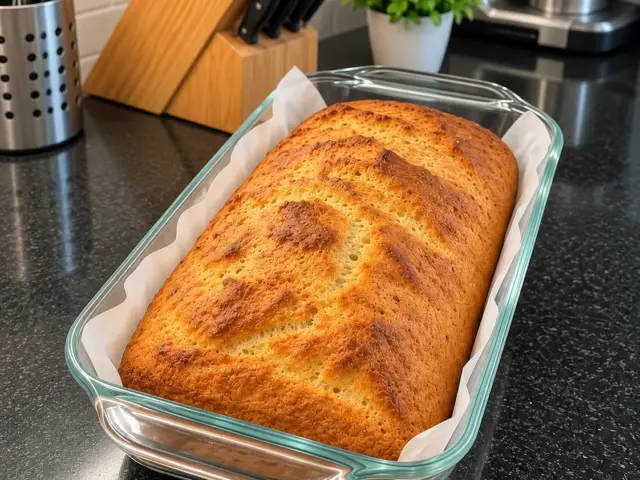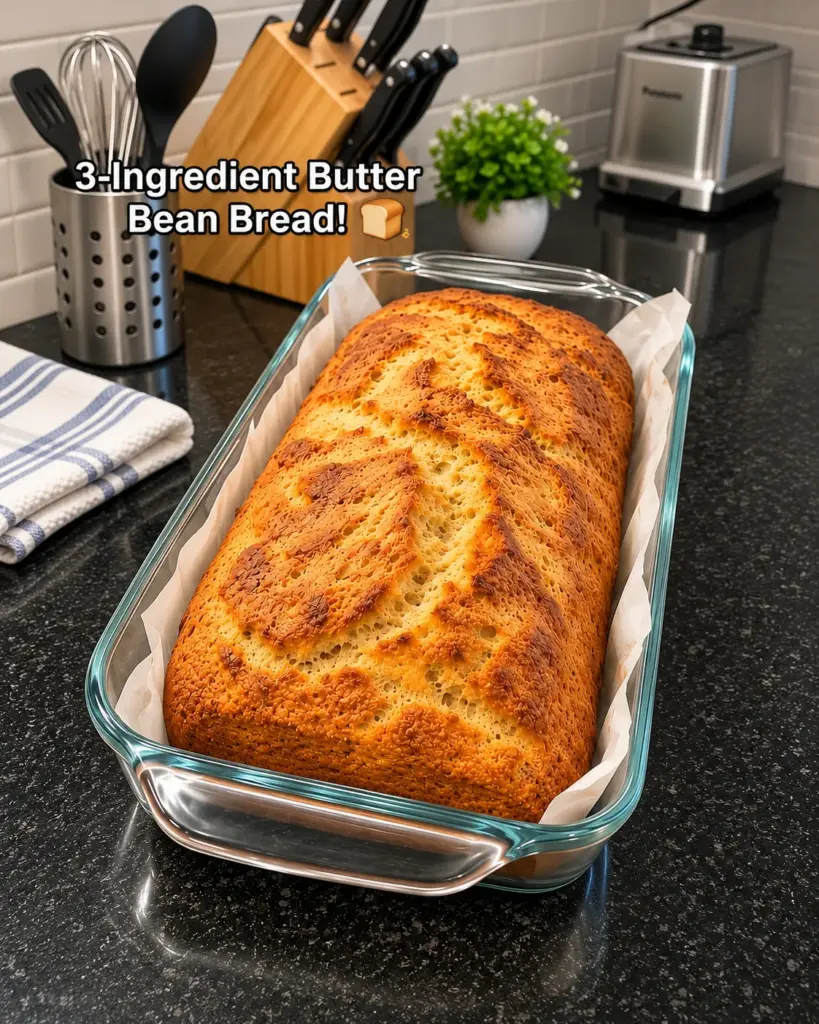
3-Ingredient High-Protein Butter Bean Bread starts with a surprisingly short list: cooked butter beans, eggs, and flour. The beans bring moisture and a mild flavor, the eggs bind and lift the batter, and the flour gives the loaf enough structure to slice. You can bake the base formula as written, or choose a few of the optional seasonings and toppings for a more savory, golden finish. The loaf in the reference image has a deeply colored, naturally split top and sits in a parchment-lined glass pan on a dark kitchen counter.
This is a quick bread, not a yeast loaf. There is no proofing or kneading, but the eggs need to be handled thoughtfully because they provide most of the lift in the strict three-ingredient version. Separating them and folding whipped whites into the bean batter can make the crumb lighter. Optional baking powder gives more dependable rise, while an optional egg wash and butter finish create extra shine. The guide below makes those choices explicit so the base recipe and its additions do not get confused.
Why You’ll Love This Recipe
The base needs only three grocery staples, and cooked or canned butter beans are convenient. Once the beans are rinsed and dried, the batter comes together with a blender, bowls, and a loaf pan. Butter beans have a gentle taste that takes well to savory herbs, garlic, and Parmesan, yet the plain version remains suitable for toast with your favorite spread.
The recipe is flexible in a practical way. All-purpose flour makes a familiar sandwich-bread-style crumb, while oat flour gives a softer and potentially more fragile slice. Optional baking powder makes the bread taller, but it is not required to make a sliceable loaf. The seeded topping adds crunch and color, and melted butter brushed after baking softens the crust. Each option is clearly separate from the three-ingredient base.
Because the loaf is made from beans and eggs, it offers a different texture from a wheat-and-yeast sandwich bread. It should be fully cooled before slicing so the center sets. Toasting the slices afterward improves their edges and makes the bread especially good under avocado, eggs, hummus, or a simple savory spread. The loaf can be sliced and frozen for quick breakfasts or lunches.
Ingredients
For the Bread
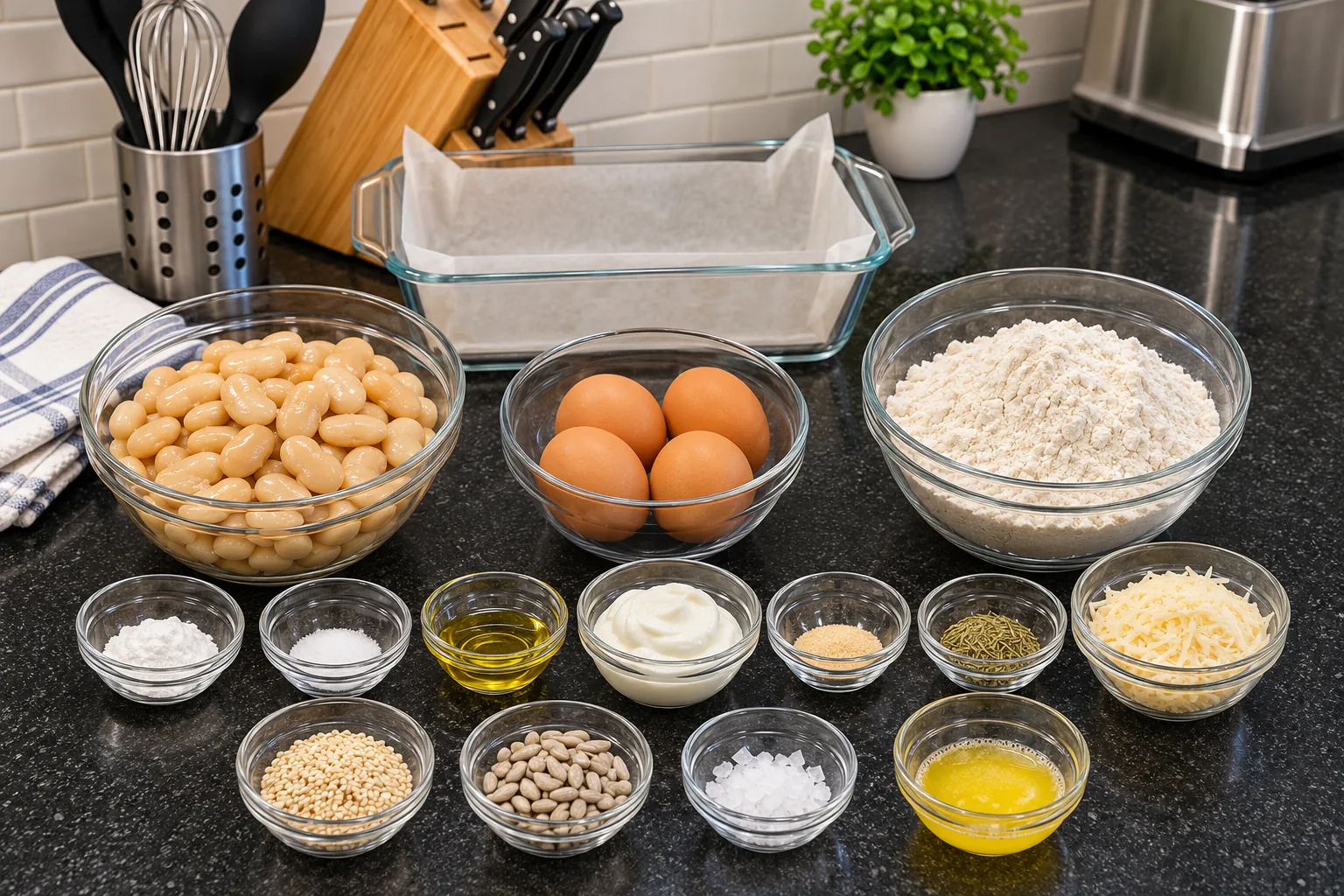
- 2 1/2 cups cooked butter beans, drained and rinsed — Use tender cooked beans or canned butter beans. Rinse canned beans thoroughly and pat them dry; excess canning liquid can make the loaf gummy.
- 4 large eggs — Separate the eggs so the whites can be whipped for lift in the strict three-ingredient version. The yolks add richness and help the pureed beans form a cohesive batter.
- 1 1/2 cups all-purpose flour or oat flour — All-purpose flour gives firmer structure. Oat flour makes a different, more delicate crumb; measure it carefully and allow the baked loaf to cool completely.
Optional Additions
- 2 teaspoons baking powder for a lighter loaf — Whisk it through the flour before mixing. It gives extra lift beyond what the whipped egg whites provide.
- 1/2 teaspoon fine sea salt — Adds flavor to the mild beans. Choose it for a savory loaf or reduce the topping salt when using both.
- 1 tablespoon olive oil for extra moisture — Blend with the beans and yolks if you prefer a slightly more tender slice.
- 2 tablespoons plain Greek yogurt for extra softness — Blend into the bean mixture. Thick plain yogurt is preferable to a runny product, which can loosen the batter.
- 1/2 teaspoon garlic powder for a savory flavor — Mix into the flour for even seasoning throughout the loaf.
- 1 teaspoon dried rosemary or thyme — Crumble larger herb pieces between your fingers so they distribute well in each slice.
- 1/4 cup grated Parmesan cheese for extra flavor — Fold into the batter after the flour. Parmesan adds a salty, savory note, so taste your other toppings accordingly.
Optional Topping
- 1 large egg, beaten for egg wash — This is a separate fifth egg, beyond the four eggs in the bread. Brush a thin layer on just before baking for color and to help seeds stick.
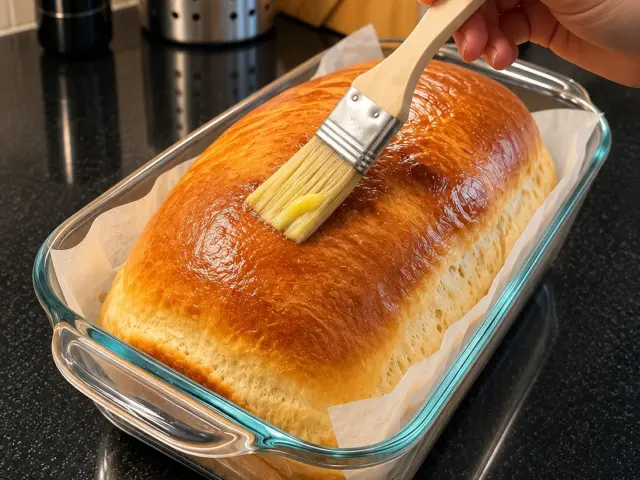
- 1 tablespoon melted butter for a golden crust — Brush over the warm bread after baking. Do not mix it into the optional egg wash.
- 1 tablespoon white sesame seeds — Scatter evenly across the top for a gentle nutty crunch.
- 1 tablespoon sunflower seeds — Add in a modest layer so the seeds adhere rather than falling off when slicing.
- 1 teaspoon flaky sea salt — Sprinkle sparingly, especially if using salted beans, Parmesan, or the optional fine salt in the batter.
Ingredient Notes and Substitutions
The most important preparation detail is the condition of the beans. Measure 2 1/2 cups after cooking, draining, and rinsing. If using canned butter beans, rinse until the liquid runs clear and spread them briefly on a towel to remove surface water. Wet beans dilute the batter. Very firm beans may leave small lumps, so blend them thoroughly with the yolks before adding flour.
All-purpose flour and oat flour are both listed, but they do not behave identically. All-purpose flour contains gluten and helps the loaf hold tidy slices. Oat flour has no gluten structure of its own; a loaf made with it can be softer, more crumbly, and more dependent on complete cooling. If gluten-free baking matters, choose certified gluten-free oat flour and check every optional ingredient label for cross-contact. Do not assume the two flours need the exact same bake time; use center doneness cues.
The strict three-ingredient loaf relies on air beaten into the egg whites. It may be lower and denser than a version made with the optional baking powder. The tall dome in a photograph cannot be guaranteed from the three main ingredients alone; bean moisture, egg size, flour choice, mixing, and pan size all affect height. Adding baking powder makes it a four-ingredient variation. The optional egg wash, butter, seeds, and salt are separate choices and should not be described as part of the three-ingredient base.
Choose savory extras deliberately. Fine salt, garlic powder, dried rosemary or thyme, and Parmesan can all be used, but piling on every seasoning may cover the mild bean flavor. Olive oil and Greek yogurt can improve tenderness, yet adding both also increases moisture. Keep the batter thick and spoonable. If it looks runny before the whipped whites are folded in, check that the beans were well drained and the flour was measured accurately.
Instructions — Detailed Preparation
Step 1: Prepare the pan and beans
Heat the oven to 350°F (175°C). Line a 9-by-5-inch loaf pan with parchment, leaving overhang on the long sides. Measure 2 1/2 cups cooked butter beans, drained and rinsed, then pat them dry with a clean towel. If using a glass pan like the reference, set it on the center rack during baking and allow for a slightly different bake time than a metal pan.
Step 2: Separate and whip the eggs
Separate 4 large eggs into yolks and whites. Put the whites in a clean, dry bowl and beat to soft or medium peaks; they should stand up gently but remain flexible. Do not whip them dry. Set the whites aside while making the bean base. This aeration is especially useful when you are not using optional baking powder.
Step 3: Blend the bean base
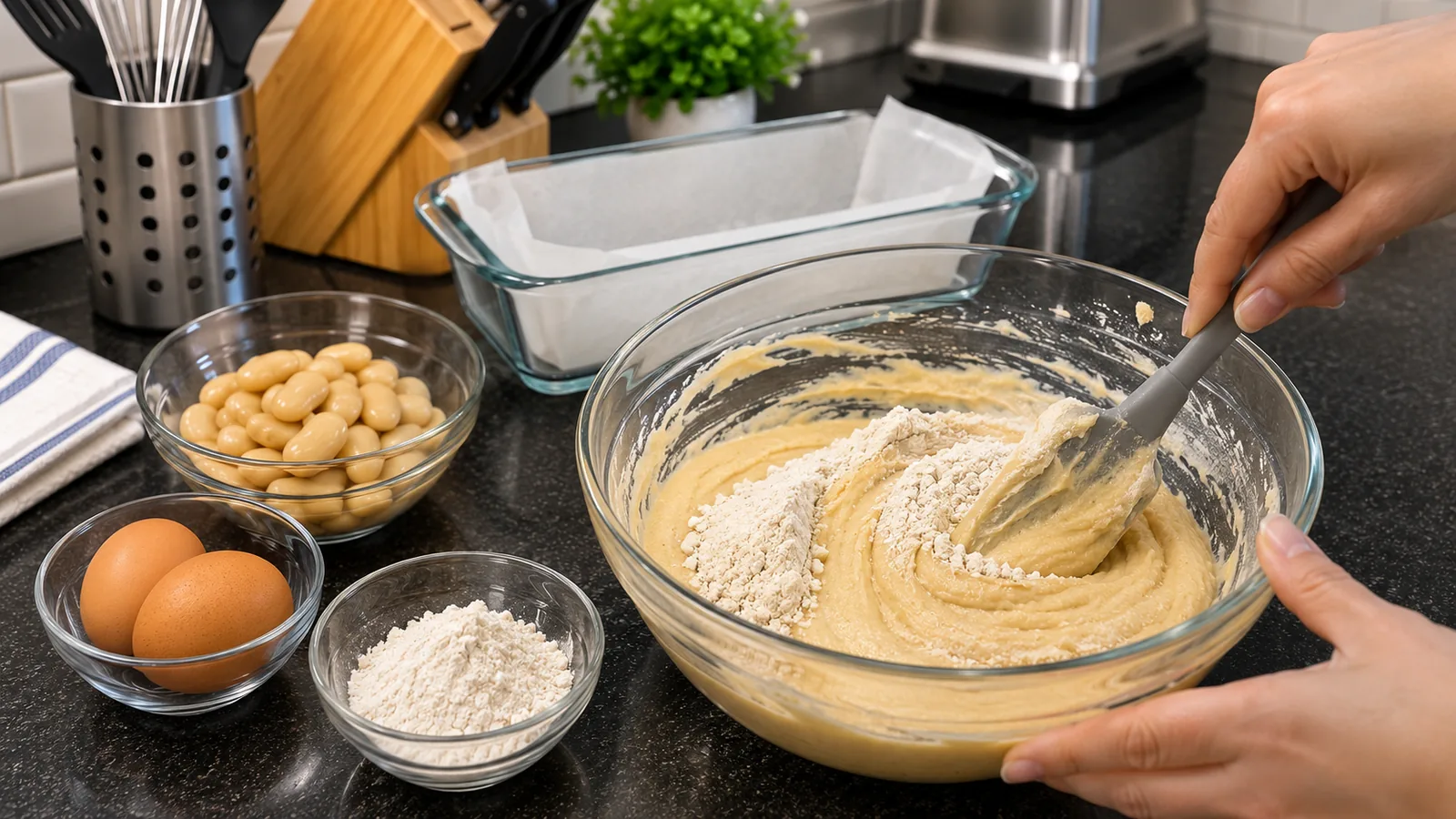
Blend the drained butter beans with all 4 egg yolks until smooth and thick, scraping the blender as needed. If choosing 1 tablespoon olive oil for extra moisture or 2 tablespoons plain Greek yogurt for extra softness, add it now. Avoid adding water; the beans and yolks should supply enough moisture for blending. Transfer the puree to a large mixing bowl.
Step 4: Combine the dry ingredients
Whisk 1 1/2 cups all-purpose flour or oat flour in a separate bowl. If using 2 teaspoons baking powder for a lighter loaf, whisk it through the flour. Add optional 1/2 teaspoon fine sea salt, 1/2 teaspoon garlic powder for a savory flavor, and 1 teaspoon dried rosemary or thyme now. Even distribution prevents clumps of leavener or herbs in the finished crumb.
Step 5: Make a thick batter
Fold the flour mixture into the bean and yolk puree until no dry flour remains. If using 1/4 cup grated Parmesan cheese for extra flavor, fold it in at this stage. The mixture should be thick and spoonable, not a kneadable dough. Stir only until combined so the all-purpose flour does not make the loaf tough and the batter stays ready to accept the whipped whites.
Step 6: Fold in the whipped whites
Add about one-third of the whipped egg whites to the thick bean batter and stir gently to lighten it. Fold in the remaining whites in two additions with a broad spatula, lifting from the bottom and turning the bowl. Stop when only a few pale streaks remain. Working gently preserves the air that helps the three-ingredient loaf rise.
Step 7: Fill and optionally top
Scrape the batter into the parchment-lined pan and level it gently without pressing out the air. If using the optional topping, brush the surface lightly with 1 large egg beaten for egg wash; this is an extra egg beyond the four in the bread. Scatter 1 tablespoon white sesame seeds, 1 tablespoon sunflower seeds, and up to 1 teaspoon flaky sea salt over the top. If not using the egg wash, press the seeds very gently into the batter so they adhere.
Step 8: Bake and check the center
Bake at 350°F (175°C) for about 50 to 65 minutes, until the top is golden and a skewer inserted into the center comes out without wet batter. A thermometer in the center should read about 200–205°F (93–96°C). If the top browns before the inside is set, tent loosely with foil and continue in five-minute increments. A loaf without baking powder may not dome as high as the optional leavened version.
Step 9: Brush, cool, and slice
Let the loaf stand in the pan for 15 minutes, then lift it out by the parchment and place it on a wire rack. If using the optional 1 tablespoon melted butter for a golden crust, brush it thinly over the warm top now, after baking. Cool completely for at least 45 to 60 more minutes before slicing with a serrated knife. The bean-rich center becomes firmer as it cools.
Expert Tips
- Drain and dry the cooked butter beans thoroughly. Surface water is a major cause of a damp center.
- Blend beans with yolks until smooth before adding flour. Bean skins left in large pieces make the crumb uneven.
- Use a spotless bowl for egg whites; traces of oil or yolk can keep them from whipping well.
- Whip only to flexible peaks and fold gently. Overbeaten whites are harder to incorporate without losing air.
- Choose a 9-by-5-inch pan so the batter has room to expand without overflowing.
- Check the center, not just the golden top. Bean bread can look done before the middle is fully set.
- Allow a full cool before slicing, especially with oat flour, which gives a more delicate structure.
- Use optional baking powder for a more reliable tall loaf; keep it out if the strict three-ingredient version is your goal.
Common Mistakes
Using wet beans or adding extra water is the most common way to get a gummy loaf. The cooked beans should be drained, rinsed, and patted dry before measuring. If the batter feels loose, check the measuring method and flour choice rather than immediately adding a random amount of flour.
Skipping the egg-white step in the strict three-ingredient version can make the loaf noticeably compact. Beating the whites creates air without adding another ingredient. Fold them in late and gently; vigorous stirring after they are added knocks out the lift. Optional baking powder is another route to a lighter result, but then the formula has more than three ingredients.
A deeply browned top is not proof that the center is cooked. Test the middle and use a loose foil tent if the crust colors early. Cutting while the loaf is hot can make even a properly baked center appear sticky or compressed. Cooling on a rack gives steam a path out of the sides and bottom.
Serving Ideas
Serve fully cooled slices as toast with avocado, eggs, hummus, or a mild cheese spread. The plain three-ingredient bread has a gentle bean flavor; garlic, herbs, and Parmesan make it more savory if you choose those additions. Lightly toasting the slices brings out a pleasant edge and helps them hold soft toppings.
For lunch, use two toasted slices around vegetables and a protein filling. Keep spreads relatively thick so the bread does not soak through. If using the seeded topping, a thin layer of cream cheese or yogurt spread works well with the nutty crust. The loaf also pairs with soup, where you can serve a toasted slice alongside rather than leaving it submerged in broth.
Storage and Freezing
Cool the loaf completely, then wrap it tightly and refrigerate for up to 4 days. Because it contains cooked beans and eggs, do not leave slices on the counter for extended storage. Place parchment between slices if you plan to take out only a few at a time. Toast or warm refrigerated slices until hot enough for your preference.
Freeze individual, fully cooled slices in an airtight bag with parchment separators for up to 2 months. Toast from frozen or thaw covered in the refrigerator before reheating. The oat-flour version may be a little more fragile after freezing, so lift slices carefully. Avoid sealing warm bread in plastic; trapped condensation encourages a wet surface and shortens its keeping quality.
FAQ
Is this really a three-ingredient bread?
Yes, the base uses only cooked butter beans, four eggs, and flour. Baking powder, seasonings, oil, yogurt, cheese, and every topping are optional additions that increase the ingredient count when used.
Will the loaf rise without baking powder?
It can rise modestly from air whipped into the egg whites, but it will usually be denser and less predictable than the baking-powder version. Do not expect the same height from every batch.
Can I use canned butter beans?
Yes. Drain and rinse them well, then pat them dry before measuring the required 2 1/2 cups. Excess liquid can make the crumb gummy.
Can I replace all-purpose flour with oat flour?
Yes, oat flour is listed, but the loaf will be softer and potentially more fragile. Cool it completely before slicing and check the center for doneness.
When do I add egg wash and melted butter?
The optional beaten egg is brushed on before baking. The optional melted butter is brushed on after baking, while the loaf is warm.
Why does my bread feel damp in the center?
Wet beans, underbaking, or slicing before cooling can all cause a damp impression. Dry the beans, test the center with a skewer or thermometer, and cool the loaf fully.
Conclusion
3-Ingredient High-Protein Butter Bean Bread is a practical quick loaf built from beans, eggs, and flour. Drain the beans carefully, blend them smooth, whip the egg whites for lift, and allow the bread to bake and cool fully before slicing. Optional baking powder, savory flavors, and a seeded butter finish can change its height and flavor, but the straightforward three-ingredient base remains the heart of the recipe.
Print
3-Ingredient High-Protein Butter Bean Bread
- Prep Time: 20 minutes
- Cook Time: 55 minutes
- Total Time: 2 hours 15 minutes
- Yield: 1 loaf (12 slices) 1x
- Category: Sourdough
- Method: Baking
Description
A simple butter bean, egg, and flour loaf with a tender crumb and optional savory seasoning and seeded crust.
Ingredients
- 2 1/2 cups cooked butter beans, drained and rinsed
- 4 large eggs
- 1 1/2 cups all-purpose flour or oat flour
- 2 teaspoons baking powder for a lighter loaf
- 1/2 teaspoon fine sea salt
- 1 tablespoon olive oil for extra moisture
- 2 tablespoons plain Greek yogurt for extra softness
- 1/2 teaspoon garlic powder for a savory flavor
- 1 teaspoon dried rosemary or thyme
- 1/4 cup grated Parmesan cheese for extra flavor
- 1 large egg, beaten for egg wash
- 1 tablespoon melted butter for a golden crust
- 1 tablespoon white sesame seeds
- 1 tablespoon sunflower seeds
- 1 teaspoon flaky sea salt
Instructions
Step 1 Heat the oven to 350°F (175°C). Line a 9-by-5-inch loaf pan with parchment, leaving overhang on the long sides. Measure 2 1/2 cups cooked butter beans, drained and rinsed, then pat them dry with a clean towel. If using a glass pan like the reference, set it on the center rack during baking and allow for a slightly different bake time than a metal pan.
Step 2 Separate 4 large eggs into yolks and whites. Put the whites in a clean, dry bowl and beat to soft or medium peaks; they should stand up gently but remain flexible. Do not whip them dry. Set the whites aside while making the bean base. This aeration is especially useful when you are not using optional baking powder.
Step 3 Blend the drained butter beans with all 4 egg yolks until smooth and thick, scraping the blender as needed. If choosing 1 tablespoon olive oil for extra moisture or 2 tablespoons plain Greek yogurt for extra softness, add it now. Avoid adding water; the beans and yolks should supply enough moisture for blending. Transfer the puree to a large mixing bowl.
Step 4 Whisk 1 1/2 cups all-purpose flour or oat flour in a separate bowl. If using 2 teaspoons baking powder for a lighter loaf, whisk it through the flour. Add optional 1/2 teaspoon fine sea salt, 1/2 teaspoon garlic powder for a savory flavor, and 1 teaspoon dried rosemary or thyme now. Even distribution prevents clumps of leavener or herbs in the finished crumb.
Step 5 Fold the flour mixture into the bean and yolk puree until no dry flour remains. If using 1/4 cup grated Parmesan cheese for extra flavor, fold it in at this stage. The mixture should be thick and spoonable, not a kneadable dough. Stir only until combined so the all-purpose flour does not make the loaf tough and the batter stays ready to accept the whipped whites.
Step 6 Add about one-third of the whipped egg whites to the thick bean batter and stir gently to lighten it. Fold in the remaining whites in two additions with a broad spatula, lifting from the bottom and turning the bowl. Stop when only a few pale streaks remain. Working gently preserves the air that helps the three-ingredient loaf rise.
Step 7 Scrape the batter into the parchment-lined pan and level it gently without pressing out the air. If using the optional topping, brush the surface lightly with 1 large egg beaten for egg wash; this is an extra egg beyond the four in the bread. Scatter 1 tablespoon white sesame seeds, 1 tablespoon sunflower seeds, and up to 1 teaspoon flaky sea salt over the top. If not using the egg wash, press the seeds very gently into the batter so they adhere.
Step 8 Bake at 350°F (175°C) for about 50 to 65 minutes, until the top is golden and a skewer inserted into the center comes out without wet batter. A thermometer in the center should read about 200–205°F (93–96°C). If the top browns before the inside is set, tent loosely with foil and continue in five-minute increments. A loaf without baking powder may not dome as high as the optional leavened version.
Step 9 Let the loaf stand in the pan for 15 minutes, then lift it out by the parchment and place it on a wire rack. If using the optional 1 tablespoon melted butter for a golden crust, brush it thinly over the warm top now, after baking. Cool completely for at least 45 to 60 more minutes before slicing with a serrated knife. The bean-rich center becomes firmer as it cools.
Notes
Use exactly three distinct WebP images; reuse the featured media ID for the Tasty card. Cool the loaf completely, then wrap it tightly and refrigerate for up to 4 days. Because it contains cooked beans and eggs, do not leave slices on the counter for extended storage. Place parchment between slices if you plan to take out only a few at a time. Toast or warm refrigerated slices until hot enough for your preference. Freeze individual, fully cooled slices in an airtight bag with parchment separators for up to 2 months. Toast from frozen or thaw covered in the refrigerator before reheating. The oat-flour version may be a little more fragile after freezing, so lift slices carefully. Avoid sealing warm bread in plastic; trapped condensation encourages a wet surface and shortens its keeping quality.